
Description
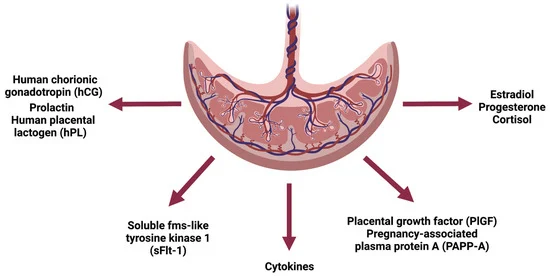
Pregnancy-associated plasma protein-A (PAPP-A) is a protein produced by the placenta during pregnancy. It plays a crucial role in fetal development and is involved in various processes, including trophoblast invasion, placental growth, and regulation of insulin-like growth factor (IGF) signaling.
Here’s some key information about PAPP-A and its clinical significance during pregnancy:
- Production and Function: PAPP-A is primarily produced by the syncytiotrophoblasts of the placenta, starting early in pregnancy. It acts as a protease that cleaves insulin-like growth factor-binding protein-4 (IGFBP-4), thereby increasing the bioavailability of insulin-like growth factors (IGFs), particularly IGF-1. This promotes fetal growth and development by stimulating cell proliferation, differentiation, and angiogenesis.
- Screening Marker: PAPP-A is commonly used as a biomarker in prenatal screening tests, such as first-trimester combined screening (also known as the first-trimester screening test). In this screening test, maternal serum levels of PAPP-A, along with other markers such as human chorionic gonadotropin (hCG), are measured between 11 to 14 weeks of gestation to assess the risk of chromosomal abnormalities, particularly Down syndrome (trisomy 21).
- Clinical Significance:
- Chromosomal Abnormalities: Low levels of PAPP-A in maternal serum during the first trimester have been associated with an increased risk of chromosomal abnormalities in the fetus, particularly Down syndrome. This is because PAPP-A levels tend to be lower in pregnancies affected by chromosomal abnormalities.
- Preeclampsia: Low levels of PAPP-A in the first trimester have also been associated with an increased risk of developing preeclampsia, a potentially serious pregnancy complication characterized by high blood pressure and proteinuria.
- Small for Gestational Age (SGA): Low levels of PAPP-A have been linked to an increased risk of delivering a baby who is small for gestational age, suggesting impaired placental function and fetal growth restriction.
- Measurement: PAPP-A levels are typically measured using immunoassay techniques, such as enzyme-linked immunosorbent assay (ELISA), in maternal serum samples collected during the first trimester of pregnancy as part of prenatal screening protocols.
- Interpretation: Interpretation of PAPP-A levels in prenatal screening requires consideration of various factors, including maternal characteristics (e.g., maternal age, weight, ethnicity), gestational age at the time of sampling, and assay-specific reference ranges. Abnormal PAPP-A levels may prompt further diagnostic testing, such as chorionic villus sampling (CVS) or amniocentesis, to confirm or rule out chromosomal abnormalities.
Overall, PAPP-A is an important biomarker in prenatal screening for chromosomal abnormalities and other pregnancy-related complications. It provides valuable information to healthcare providers for risk assessment, counseling, and appropriate management of pregnancy.

Reviews
There are no reviews yet.