
Description
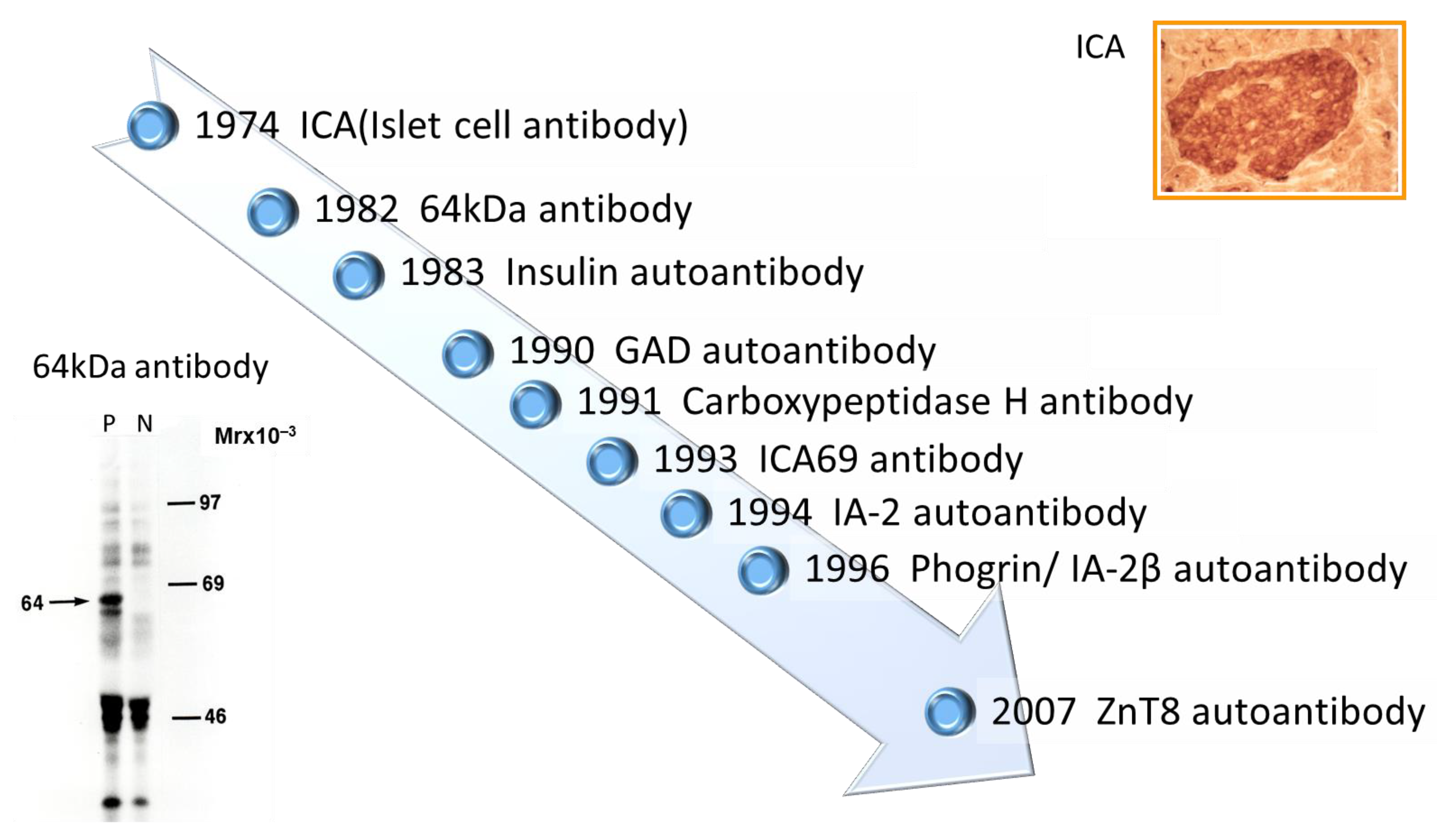
Islet cell antibodies (ICA) are autoantibodies that target specific cells in the pancreas called islet cells. These antibodies are associated with autoimmune destruction of pancreatic beta cells, leading to a decreased ability to produce insulin and eventual development of type 1 diabetes mellitus.
The “in dilutions” notation typically refers to a laboratory technique used to measure the levels or activity of antibodies in a sample. When testing for islet cell antibodies, the sample (often blood serum) is typically diluted in a series of steps to determine the highest dilution at which the antibodies can still be detected.
For example, a notation like “ICA positive at 1:640 dilution” would indicate that islet cell antibodies were detected in the sample at a dilution of 1 part sample to 640 parts diluent. This information helps in quantifying the presence and concentration of antibodies in the sample.
The dilution factor provides valuable information about the strength or concentration of the antibodies present. Higher dilution factors (e.g., 1:1280) indicate a higher concentration of antibodies in the sample, suggesting a stronger immune response targeting the pancreatic islet cells.
Testing for islet cell antibodies, along with other autoantibodies such as glutamic acid decarboxylase (GAD) antibodies and insulin autoantibodies, is important in the diagnosis and classification of autoimmune forms of diabetes, particularly type 1 diabetes mellitus. These tests help distinguish between type 1 and type 2 diabetes and aid in identifying individuals at risk for developing the condition.

Reviews
There are no reviews yet.