
Description
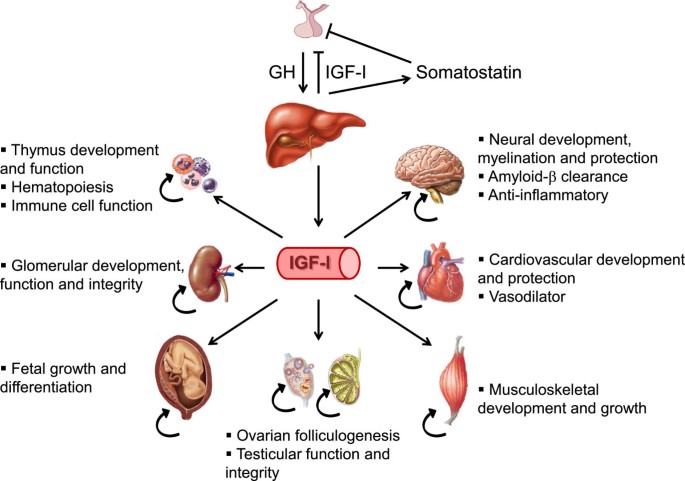
Insulin-like Growth Factor-I (IGF-I), also known as somatomedin C, is a protein hormone produced primarily by the liver in response to stimulation by growth hormone (GH). Here’s some key information about IGF-I and somatomedin C:
- Function: IGF-I plays a crucial role in mediating the effects of growth hormone (GH) on growth and metabolism. It promotes the growth and development of bones, muscles, and other tissues by stimulating cellular proliferation, differentiation, and protein synthesis. IGF-I also has metabolic effects, such as increasing glucose uptake and promoting lipid metabolism.
- Synthesis and Regulation: IGF-I is synthesized primarily in the liver in response to GH stimulation. GH is released from the pituitary gland in response to various stimuli, including growth hormone-releasing hormone (GHRH) from the hypothalamus and physiological factors such as exercise and sleep. Other tissues, including muscle, also produce IGF-I locally, contributing to its diverse biological effects.
- Clinical Applications:
- Growth Disorders: Measurement of IGF-I levels is used clinically to assess growth disorders, such as growth hormone deficiency and acromegaly. Low levels of IGF-I may indicate growth hormone deficiency, while elevated levels may indicate excess GH secretion, as seen in acromegaly.
- Monitoring Growth Hormone Treatment: IGF-I levels are monitored in individuals receiving growth hormone replacement therapy to assess treatment response and adjust dosages as needed.
- Assessment of Nutritional Status: IGF-I levels may also be used as markers of nutritional status and overall health, as they reflect both growth hormone secretion and nutritional intake.
- Regulation and Feedback: IGF-I levels are regulated by multiple factors, including GH secretion, nutritional status, and feedback mechanisms within the growth hormone-IGF axis. Feedback mechanisms involving IGF-I play a role in regulating GH secretion from the pituitary gland.
- Somatomedin C: The term “somatomedin C” is an older synonym for IGF-I. It was originally used to describe the growth-promoting activity of IGF-I and its mediation by GH. While the term “somatomedin” is still used in some contexts, “IGF-I” is the more commonly used term in current medical literature.
Overall, IGF-I (somatomedin C) plays a central role in growth, development, and metabolism, and its measurement is valuable in diagnosing and monitoring growth disorders and assessing overall health status.

Reviews
There are no reviews yet.