
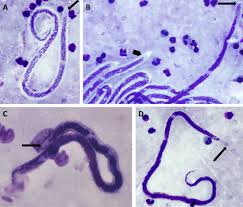
Description
Filaria antigen refers to proteins or molecules derived from filarial parasites, which are responsible for causing filariasis, a group of parasitic diseases. Filariasis is primarily caused by three species of filarial worms: Wuchereria bancrofti, Brugia malayi, and Brugia timori. These parasites are transmitted to humans through the bites of infected mosquitoes.
In filariasis, adult worms reside in the lymphatic system or subcutaneous tissues, where they produce microfilariae (larval stages). These microfilariae circulate in the blood and are often the target of diagnostic tests for filariasis.
Several antigen detection tests have been developed for the diagnosis of filariasis. These tests detect specific filarial antigens (proteins or molecules) in the blood, urine, or other bodily fluids, indicating the presence of the parasite. One commonly used antigen detection test is the detection of circulating filarial antigen (CFA), which targets a protein released by adult female worms of Wuchereria bancrofti and Brugia species. The presence of CFA in the blood indicates an active filarial infection.
Antigen detection tests are valuable tools for the diagnosis of filariasis, particularly in areas where microscopy-based methods for detecting microfilariae may be less sensitive or impractical. These tests can help identify individuals who require treatment for filarial infection and support efforts to control and eliminate the disease.

Reviews
There are no reviews yet.