
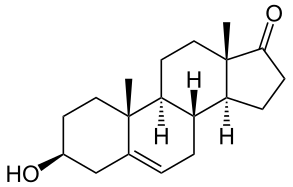
Description
Dehydroepiandrosterone (DHEA) is a steroid hormone produced by the adrenal glands, gonads (testes and ovaries), and brain. It serves as a precursor for the synthesis of other hormones, including testosterone and estrogen.
DHEA levels tend to peak in early adulthood and gradually decline with age. It plays various roles in the body, including:
- Hormonal regulation: DHEA is a precursor for the synthesis of sex hormones, such as testosterone and estrogen, which are involved in reproductive function and other physiological processes.
- Immune function: DHEA has immunomodulatory effects and may influence the immune response, although its precise mechanisms are not fully understood.
- Cognition: Some studies suggest that DHEA may have cognitive effects, including potential benefits for memory and mood, although more research is needed to fully understand its role in cognitive function.
- Anti-aging: DHEA has been marketed as a supplement for anti-aging purposes, with claims of benefits such as improved energy levels, muscle strength, and overall well-being. However, scientific evidence supporting these claims is limited and controversial.
DHEA levels can be measured through blood tests, and abnormal levels may be associated with various health conditions, such as adrenal insufficiency, certain adrenal tumors, and some hormonal imbalances. However, it’s essential to interpret DHEA levels in the context of an individual’s overall health and other clinical factors.

Reviews
There are no reviews yet.