
Description
Free cortisol, measured in a 24-hour urine collection, is a diagnostic test used to evaluate the amount of cortisol excreted in the urine over a 24-hour period. Here’s what each component represents:
- Cortisol: Cortisol is a steroid hormone produced by the adrenal glands in response to stress. It plays a role in regulating metabolism, immune function, and stress response. Cortisol levels fluctuate throughout the day, with higher levels in the morning and lower levels in the evening.
- Free Cortisol: Free cortisol refers to the fraction of cortisol in the blood that is not bound to proteins, such as cortisol-binding globulin (CBG) or albumin. Free cortisol is considered the biologically active form of cortisol that can exert its effects on target tissues.
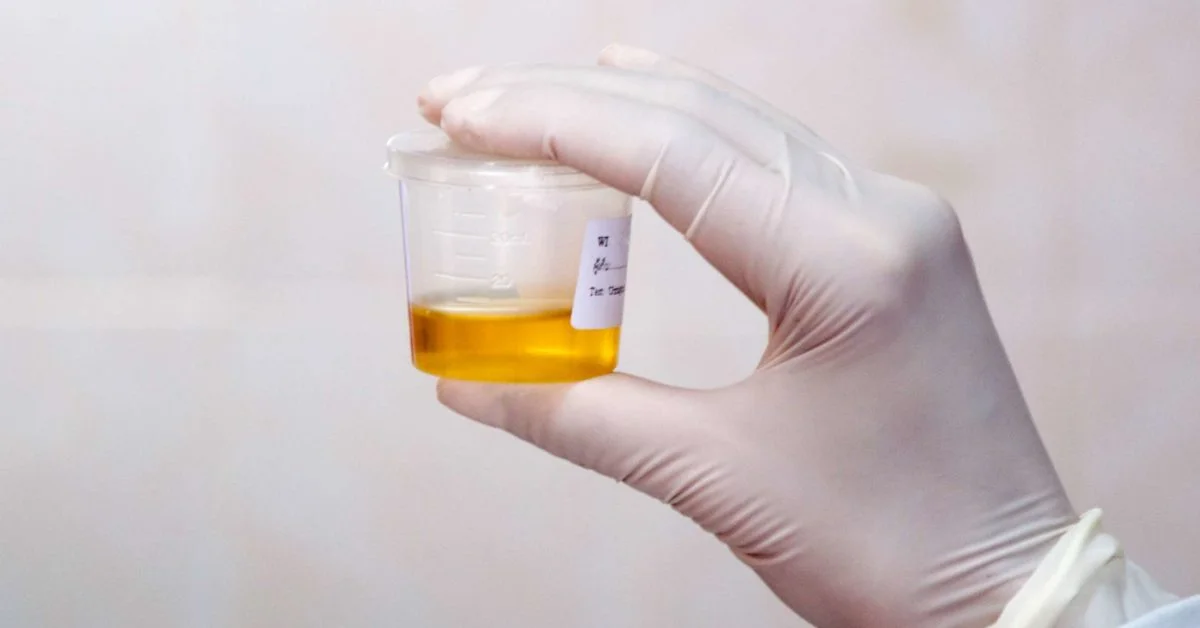
- 24-Hour Urine Collection: This test involves collecting all urine produced over a 24-hour period. The patient typically starts collecting urine in the morning and continues until the same time the next day. The entire urine volume is then sent to the laboratory for analysis.
Measurement of free cortisol in a 24-hour urine sample provides an integrated assessment of cortisol production over a prolonged period, offering a more comprehensive picture of cortisol secretion than single-point measurements. It is commonly used in the diagnosis and monitoring of conditions related to cortisol dysregulation, such as Cushing’s syndrome (excess cortisol production) or adrenal insufficiency (inadequate cortisol production). By quantifying cortisol excretion in urine, healthcare providers can assess the overall cortisol output and guide treatment decisions accordingly.

Reviews
There are no reviews yet.