Description
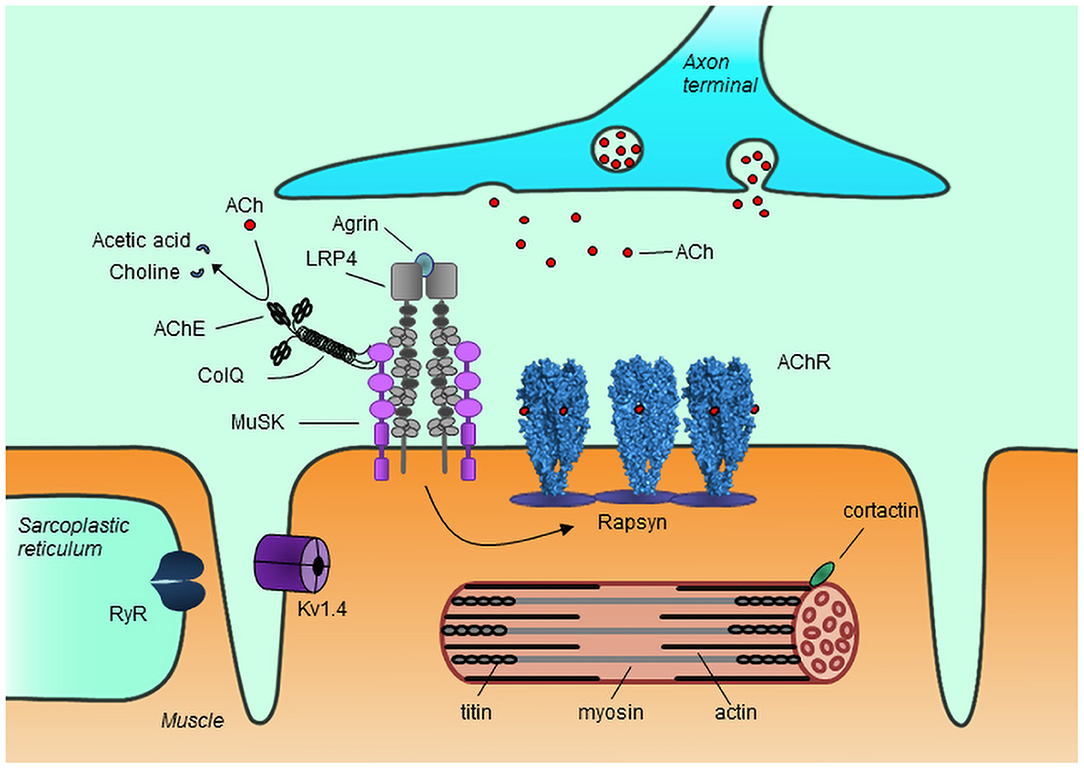
Acetylcholine receptor (AChR) binding antibodies are autoantibodies that target the acetylcholine receptors located at the neuromuscular junction. These receptors play a crucial role in transmitting signals from motor neurons to skeletal muscle fibers, ultimately leading to muscle contraction.
In autoimmune conditions such as myasthenia gravis (MG), the body’s immune system mistakenly produces antibodies that attack and impair the function of acetylcholine receptors. This results in muscle weakness and fatigue, particularly in muscles that control eye movements, facial expressions, swallowing, and limb movements.
Testing for AChR binding antibodies is an important diagnostic tool in the evaluation of suspected MG. It involves collecting a blood sample from the patient and analyzing it for the presence of these antibodies. Elevated levels of AChR binding antibodies in the blood are strongly indicative of MG, although not all individuals with MG will test positive for these antibodies.
The test for AChR binding antibodies is typically performed using immunoassay techniques such as enzyme-linked immunosorbent assay (ELISA) or radioimmunoassay (RIA). It’s important to note that while AChR binding antibodies are the most common antibodies associated with MG, there are other autoantibodies, such as muscle-specific kinase (MuSK) antibodies, that may also be present in some cases of MG.
Detection of AChR binding antibodies helps clinicians confirm the diagnosis of MG, guide treatment decisions, and monitor disease activity over time. Treatment for MG often involves medications that suppress the immune system’s attack on acetylcholine receptors, such as corticosteroids, immunosuppressants, and treatments to increase the levels of acetylcholine at the neuromuscular junction, such as cholinesterase inhibitors. In some cases, surgical interventions may also be considered.

Reviews
There are no reviews yet.