
Description
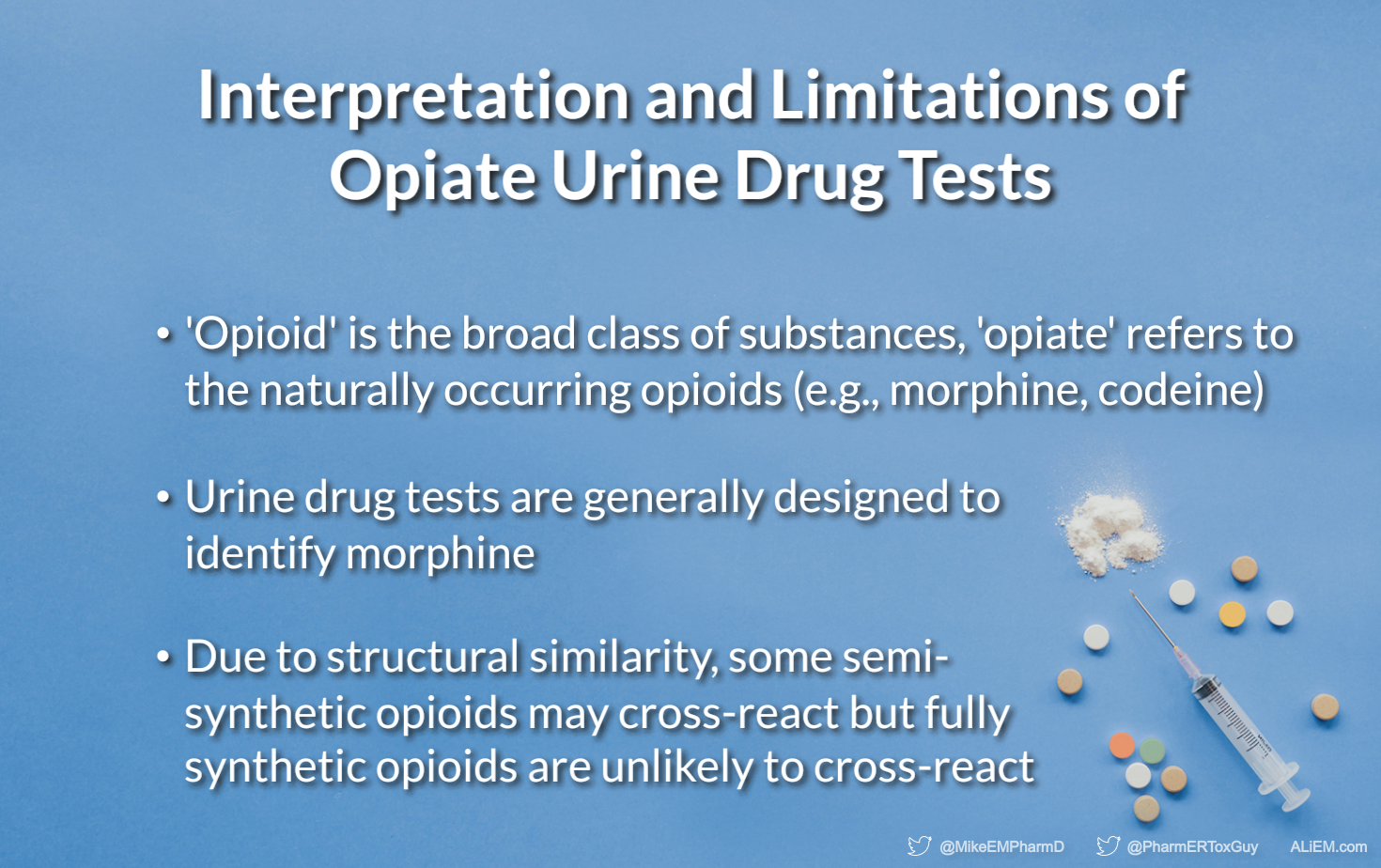
An opiates screen, conducted on a random urine sample, is a diagnostic test used to detect the presence of opiates or their metabolites in the urine. Here’s some key information about this test:
- Purpose: The opiates screen is performed to identify the use or misuse of opiates, which are a class of drugs derived from opium or synthetic derivatives that act on opioid receptors in the brain. Opiates include drugs such as morphine, codeine, heroin, and prescription opioids like oxycodone, hydrocodone, and fentanyl.
- Methodology: The test involves collecting a random urine sample from the individual. The urine sample is then analyzed using various techniques, such as immunoassay or chromatography, to detect the presence of opiates or their metabolites.
- Detection Window: Opiates and their metabolites can typically be detected in urine for a certain period after use, depending on factors such as the dose, frequency of use, metabolism, and individual variability. Detection times vary for different opiates, but in general, they can be detected in urine for up to a few days to a week or more after use.
- Interpretation of Results:
- Positive Result: A positive result indicates the presence of opiates or their metabolites in the urine sample, suggesting recent use or exposure to opiates. However, a positive result does not provide information about the timing or dose of opiate use.
- Negative Result: A negative result indicates the absence of detectable opiates or their metabolites in the urine sample. It suggests that the individual has not used opiates recently or that the concentration of opiates in the urine is below the cutoff level for detection.
- Clinical Applications:
- Drug Screening: Opiates screening is commonly used in various settings, including workplace drug testing, clinical drug monitoring, addiction treatment programs, and forensic investigations.
- Monitoring Treatment: In clinical settings, opiates screening may be used to monitor patients receiving opioid therapy for pain management or opioid addiction treatment (e.g., opioid substitution therapy).
- Confirmation Testing: Positive results from initial screening tests are typically confirmed using more specific and sensitive confirmatory tests, such as gas chromatography-mass spectrometry (GC-MS) or liquid chromatography-mass spectrometry (LC-MS). Confirmation testing helps verify the presence of specific opiates and reduces the likelihood of false-positive results.
Overall, the opiates screen conducted on a random urine sample is a valuable tool for detecting recent opiate use and assessing compliance with treatment or abstinence from opiates. It plays a crucial role in substance abuse monitoring and clinical management of patients using or misusing opiates.

Reviews
There are no reviews yet.