
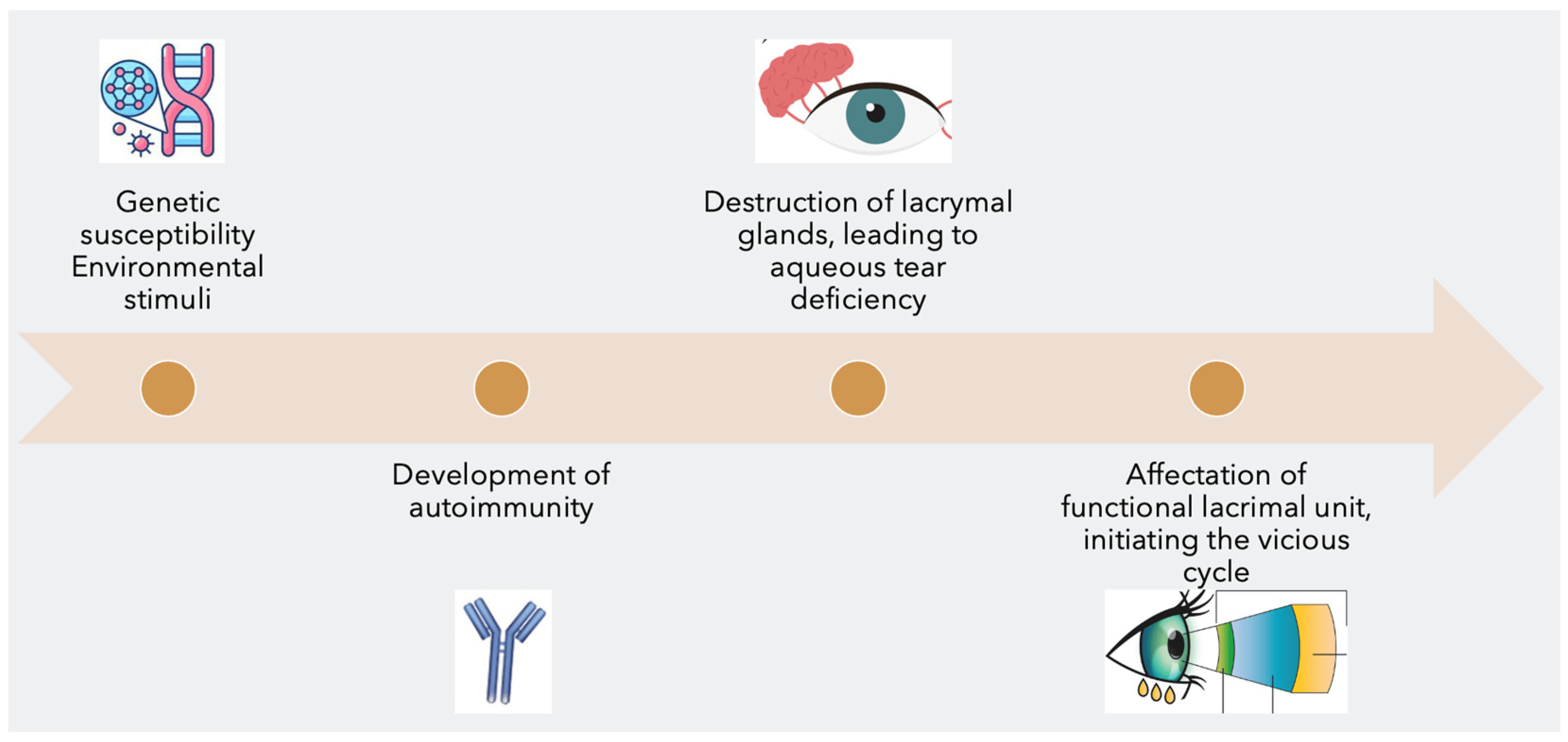
Description
Sjögren’s syndrome antibodies are autoantibodies produced by the immune system in individuals with Sjögren’s syndrome, an autoimmune disease characterized by dryness of the eyes and mouth due to inflammation and dysfunction of the salivary and lacrimal glands. The two main types of antibodies associated with Sjögren’s syndrome are:
- Anti-SSA (Ro) Antibodies: These antibodies target proteins known as SSA (Ro) antigens, which are present in the nucleus and cytoplasm of cells. Anti-SSA antibodies are commonly found in individuals with Sjögren’s syndrome, as well as other autoimmune diseases such as systemic lupus erythematosus (SLE). They are associated with certain clinical manifestations of Sjögren’s syndrome, including photosensitivity, skin rashes, and neonatal lupus in infants born to mothers with Sjögren’s syndrome.
- Anti-SSB (La) Antibodies: These antibodies target proteins known as SSB (La) antigens, which are also present in the nucleus and cytoplasm of cells. Anti-SSB antibodies are less common than anti-SSA antibodies but are still strongly associated with Sjögren’s syndrome. They are particularly associated with an increased risk of neonatal lupus in infants born to mothers with Sjögren’s syndrome.
The presence of anti-SSA and/or anti-SSB antibodies in the blood can be detected using laboratory tests such as enzyme-linked immunosorbent assay (ELISA) or immunoblotting. These tests are often included as part of the diagnostic workup for Sjögren’s syndrome, along with other tests such as ocular and oral examinations, salivary gland function tests, and imaging studies.
It’s important to note that the presence of anti-SSA and/or anti-SSB antibodies is not specific to Sjögren’s syndrome and can be found in other autoimmune diseases, particularly SLE. Additionally, not all individuals with Sjögren’s syndrome will test positive for these antibodies. Therefore, antibody testing is just one component of the diagnostic process and should be interpreted in the context of the patient’s clinical presentation and other diagnostic findings.

Reviews
There are no reviews yet.