
Description
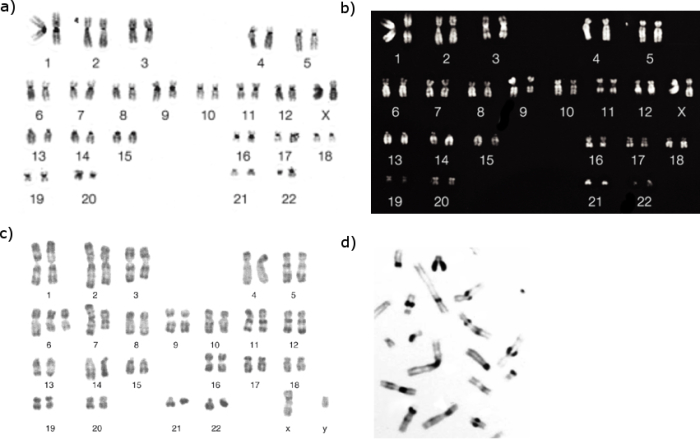
Chromosome analysis, also known as karyotyping, is a diagnostic technique used to examine the number, size, and shape of chromosomes in a sample of cells. It’s often performed to detect chromosomal abnormalities that can lead to genetic disorders or diseases. Here’s how the process typically works:
- Sample Collection: Cells for analysis can be obtained from various sources, such as blood, amniotic fluid (for prenatal diagnosis), bone marrow, or tissue biopsy.
- Cell Culturing: In order to obtain a sufficient number of cells for analysis, the collected sample is cultured in a laboratory to stimulate cell division. This step is crucial for producing enough cells to analyze.
- Harvesting Cells: Once the cells have divided sufficiently, they are harvested and treated to arrest them during metaphase, a stage of cell division where chromosomes are most visible and distinguishable.
- Chromosome Preparation: The harvested cells are then treated with a fixative to preserve their structure and spread onto a slide. Staining techniques are applied to the slide to make the chromosomes visible under a microscope.
- Microscopic Examination: A trained cytogeneticist or medical technologist examines the stained chromosomes under a microscope. They analyze the number, size, and shape of chromosomes in each cell, looking for any abnormalities such as missing or extra chromosomes, translocations, deletions, or duplications.
- Karyotype Analysis: The observed chromosomes are photographed and arranged in a systematic manner to create a karyotype. This is a visual representation of an individual’s chromosomes, arranged in pairs according to size, shape, and banding pattern. The karyotype allows for the identification of any structural or numerical abnormalities.
- Interpretation and Reporting: The cytogeneticist interprets the karyotype, identifying any abnormalities and correlating them with known genetic conditions or syndromes. A detailed report is generated and provided to the referring physician, who can then discuss the findings and implications with the patient.
Chromosome analysis is a valuable tool in diagnosing genetic disorders such as Down syndrome, Turner syndrome, Klinefelter syndrome, and many others. It’s also used in prenatal testing to screen for chromosomal abnormalities in fetuses. Additionally, it can aid in assessing cancer cells for chromosomal abnormalities that may inform prognosis and treatment decisions.

Reviews
There are no reviews yet.