
Description
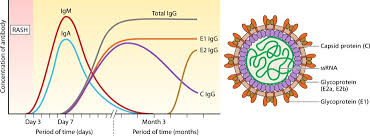
The Rubella (German measles) antibodies panel typically involves testing for two subclasses of immunoglobulins (antibodies): IgG and IgM. Rubella is caused by the rubella virus, and testing for antibodies against this virus can help diagnose recent or past infections, determine immunity status, and assess the risk of transmission during pregnancy.
- IgG antibodies against rubella typically indicate past infection or vaccination. The presence of IgG antibodies suggests immunity to rubella, either from a past infection or from vaccination. In cases of suspected rubella infection, a significant rise in IgG levels over time may indicate recent infection.
- IgM antibodies against rubella are typically produced early in the course of infection and are often used to detect acute or recent infections. The presence of IgM antibodies suggests recent rubella infection, as these antibodies are typically not present in significant levels in individuals with past infections or vaccination.
Testing for both IgG and IgM antibodies against rubella helps in diagnosing acute infections, determining immune status, and assessing immunity in pregnant women to prevent congenital rubella syndrome (CRS) in newborns.

Reviews
There are no reviews yet.