
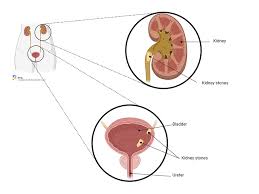
Description
Oxalate is a chemical compound that can be measured in urine to assess its excretion over a 24-hour period. High levels of urinary oxalate can contribute to the formation of kidney stones, specifically calcium oxalate stones, which are the most common type of kidney stones.
Oxalate, 24-Hour Urine Collection
Test Purpose:
- To evaluate the risk of kidney stone formation, especially calcium oxalate stones.
- To monitor patients with a history of kidney stones or hyperoxaluria (high urinary oxalate levels).
Sample Collection and Preparation:
- Specimen Type: Urine collected over a 24-hour period.
- Collection Procedure:
- Discard the first morning urine specimen.
- Collect all urine voided over the next 24 hours, including the first morning urine voided the next day.
- Store the urine collection container in a cool place or refrigerator during the collection period.
- Mix the collected urine well before transferring a small amount into a clean container for testing.
Normal Reference Range:
- Adult Normal Range: Typically, 10-40 mg/24 hours, but reference ranges can vary depending on the laboratory and specific assay used.
Interpretation of Results:
- Low Oxalate Levels: Less than the normal range may indicate reduced dietary intake of oxalate or conditions affecting oxalate metabolism.
- High Oxalate Levels:
- Hyperoxaluria: Excess urinary oxalate levels increase the risk of kidney stone formation, particularly calcium oxalate stones.
- Causes: Dietary factors (e.g., high oxalate intake from foods like spinach, nuts, and chocolate), metabolic disorders (e.g., primary hyperoxaluria), intestinal malabsorption syndromes, or certain medications (e.g., vitamin C supplements).
Clinical Significance:
- Kidney Stone Risk: Elevated urinary oxalate levels are a significant risk factor for calcium oxalate kidney stones. It’s one component of a comprehensive assessment for kidney stone risk.
- Monitoring: Regular monitoring of urinary oxalate levels can help assess treatment effectiveness in patients with hyperoxaluria and guide dietary and therapeutic interventions.
- Dietary Guidance: Patients with hyperoxaluria may benefit from dietary modifications to reduce oxalate intake, increase fluid intake, and possibly use medications to reduce oxalate absorption or increase excretion.
Follow-Up and Treatment:
- Lifestyle Modifications: Encouraging adequate fluid intake to maintain urine dilution and possibly reducing dietary oxalate intake.
- Medications: Depending on the cause of hyperoxaluria, medications like potassium citrate may be prescribed to increase urinary pH and reduce stone formation risk.
- Monitoring: Regular follow-up with urine testing to assess treatment response and adjust management as needed.
Special Considerations:
- Calcium Intake: Calcium intake can affect oxalate absorption. In some cases, increasing dietary calcium intake may help reduce oxalate absorption and stone formation risk.
- Genetic Testing: For patients with suspected primary hyperoxaluria, genetic testing may be necessary to confirm the diagnosis and guide management.
Measurement of oxalate in a 24-hour urine collection provides valuable information for assessing kidney stone risk and managing patients with hyperoxaluria. It plays a crucial role in identifying modifiable risk factors and implementing targeted interventions to prevent recurrent kidney stones.

Reviews
There are no reviews yet.